Restricted access rubbish collection solutions Ilford
Posted on 30/06/2026
Restricted access jobs are rarely simple. If you live or work in a place where vans cannot get close, stairways are narrow, parking is awkward, or there is no sensible way to wheel items out without blocking everyone else, rubbish clearance can become a bit of a puzzle. That is exactly where Restricted access rubbish collection solutions Ilford come in. They are designed for homes, flats, estates, mews-style properties, busy commercial buildings, and awkward sites where standard collection methods just do not fit the space.
In practice, the right solution saves time, reduces hassle, and helps avoid damage to walls, lifts, door frames, and shared corridors. It also means waste is handled more safely and, frankly, with a lot less stress for everyone involved. This guide breaks down what restricted access collection really means, how it works, who needs it, and how to get it right the first time.
If you are comparing service options, it can also help to look at the wider services overview and the practical details on pricing and quotes before you book anything.
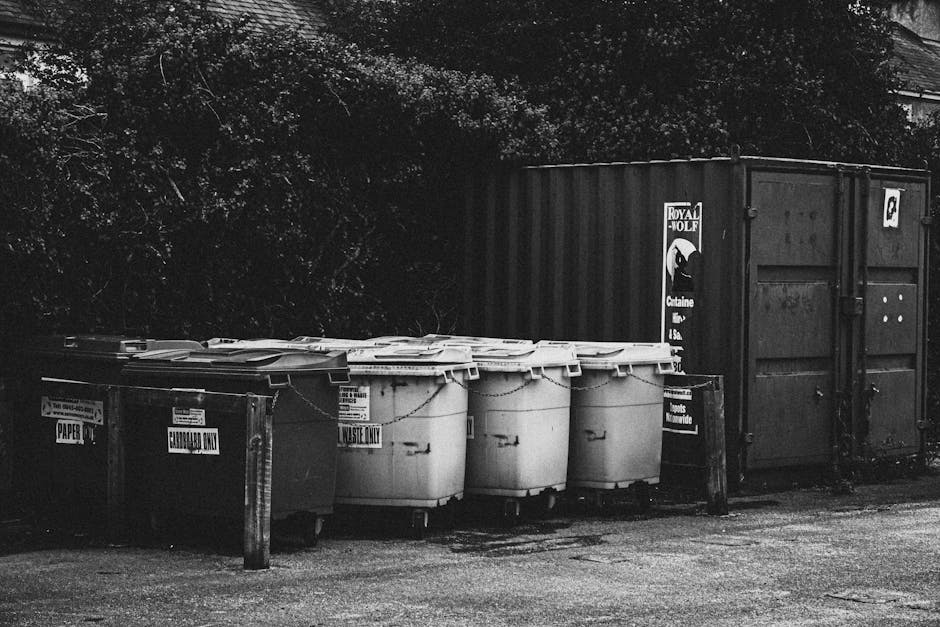
Why Restricted access rubbish collection solutions Ilford Matters
Restricted access waste collection matters because difficult access changes everything. The distance from the vehicle to the rubbish, the width of hallways, whether there is a lift, whether the waste has to pass through shared spaces, and whether there are time restrictions all affect the job. What looks like a quick clear-out on paper can become a messy, slow, and occasionally frustrating exercise if access is not thought through properly.
In Ilford, this is especially relevant around flats, terraced streets with limited parking, estate blocks, and mixed-use buildings where rubbish may need to be moved from upper floors or through communal entrances. You may only have a small window to get items out. Or you may need to work around neighbours, concierge rules, or building management instructions. The waste still needs removing, but the route out is the real issue.
That is the key point. Restricted access is not just about the size of the load. It is about how the load can be removed without creating extra risk, disruption, or damage. A thoughtful approach usually prevents the classic last-minute headache: "We can get the items out, but not without causing problems." No one wants that conversation at 8:30 in the morning with a mattress stuck halfway down a stairwell. Been there, seen the look.
How Restricted access rubbish collection solutions Ilford Works
Restricted access collections usually begin with access planning. That means understanding the site before anyone lifts a single bag. A good provider will want to know where the rubbish is located, what needs collecting, how far it is from the collection vehicle, and whether there are stairs, lifts, codes, loading bays, or parking limits to consider.
From there, the collection is usually broken into sensible stages:
- Initial assessment: A description, photos, or a brief site check helps identify access barriers.
- Route planning: The team works out the safest and least disruptive way to move waste from point A to point B.
- Vehicle and crew matching: The right number of workers and the right vehicle size are assigned to the job.
- Removal and handling: Items are moved carefully, often in smaller loads where space is tight.
- Sorting and disposal: Materials are separated where practical so reusable or recyclable waste does not all end up treated the same way.
For example, a flat above a parade of shops might need waste taken down narrow internal stairs, out through a rear entrance, and into a waiting vehicle parked in a restricted bay. A house in a tight residential street might be simpler in some ways, but the team could still need to work around permit zones or avoid blocking neighbours' access. Different problem, same principle: plan first, move second.
People sometimes assume restricted access means the job will be dramatically complicated. Sometimes yes, sometimes not really. A few extra minutes spent planning often makes the whole thing feel surprisingly smooth. The trick is honesty at the start. If a heavy wardrobe has to pass through a narrow hallway, say so. If the only parking is across the road, mention it. Sounds obvious, but it saves grief.
Key Benefits and Practical Advantages
The main benefit of a restricted access collection is simple: you get the waste removed without forcing the property to fit a standard one-size-fits-all collection model. That sounds basic, but it is a big deal when you are dealing with real buildings, not theoretical ones.
- Less disruption: Careful access planning helps avoid awkward blockages in shared areas.
- Reduced damage risk: Narrow doorways, lifts, walls, and floors are less likely to be scratched or marked.
- Better time management: A planned route is faster than repeated back-and-forth trips with no clear system.
- Safer lifting: Teams can use the right methods for stairs, corners, and awkward turns.
- More predictable outcomes: You know what is being removed and how it will be done before collection day.
There is another practical upside that people do not always think about: neighbour relations. If waste removal is handled quietly, cleanly, and efficiently, you avoid the ripple effect of complaints, blocked entrances, or a half-day of people stepping around bags in the hallway. In shared buildings, that matters more than many residents expect.
Expert summary: the best restricted access solution is rarely the most dramatic one. It is usually the most organised one. Clear communication, the right team size, and a sensible route through the property beat improvisation every time.
And if your project sits alongside a broader clear-out, such as a flat move or office reset, it may be worth looking at related help like house clearance in Ilford or office clearance in Ilford. Those jobs often overlap with access issues anyway.
Who This Is For and When It Makes Sense
Restricted access rubbish collection is useful for a lot more people than you might expect. It is not just for top-floor flats or awkward back gardens. It fits anywhere a standard curbside-style pickup does not match the reality of the property.
- Flat owners and tenants: Especially in buildings with stair-only access, small lifts, or narrow corridors.
- Landlords and letting agents: Useful between tenancies when items must be removed quickly and discreetly.
- Property managers: Helpful for communal waste, shared bin stores, and estate blocks.
- Small businesses: Offices above shops, basement storage rooms, and buildings with loading restrictions often need bespoke handling.
- Builders and tradespeople: Renovation waste from tight access sites can be tricky, particularly on busy roads.
- Households with bulky items: Sofas, wardrobes, appliances, and old carpets can become a problem when access is limited.
It also makes sense when timing is tight. Perhaps you have keys to hand over by lunchtime. Perhaps a flat has to be cleaned before new occupants arrive the next morning. Or maybe a rear alley is only clear for a short window. That sort of thing happens all the time. The better the access plan, the fewer surprises on the day.
If you are thinking more broadly about how Ilford properties and local living patterns shape waste needs, you may find it useful to read about the appeal of Ilford as a London suburb and local opinions on living in Ilford. Different property types tend to create different rubbish challenges. Pretty normal, really.
Step-by-Step Guidance
If you want restricted access rubbish collection to go smoothly, the safest approach is to think like a planner for half an hour before booking. That one bit of prep can save a surprising amount of time later.
- List what needs removing. Separate general waste, bulky items, builders' rubble, garden material, or office furniture if possible.
- Measure the access points. Door widths, stair turns, lift size, and hallway pinch points are all worth noting.
- Check parking and loading. Can a vehicle stop nearby, or will the crew need to walk a distance?
- Take clear photos. Photos of the waste and the route out help avoid misunderstandings.
- Flag anything awkward. Very heavy items, fragile surfaces, security doors, or shared access rules should be mentioned early.
- Choose a collection window. Pick a time that avoids peak building traffic if possible.
- Prepare the route. Move small obstacles, unlock doors, and make sure access codes or keys are ready.
- Confirm disposal expectations. If you want recycling to be prioritised where possible, say so.
That is the practical version. Nothing flashy. But it works. And if builders' waste is involved, a dedicated route matters even more. The team needs to know if rubble, timber, plasterboard, or mixed renovation material is involved, because that changes how the load is handled. For that sort of work, the page on builders' waste disposal in Ilford is a sensible reference point.
One small but useful habit: create a quick "access brief" for yourself. A few lines in your notes app is enough. Something like: rear entrance only, one flight of stairs, no lift, parking opposite, permit required after 11am. Not glamorous, but very useful. Saves a lot of backtracking.
Expert Tips for Better Results
A good restricted access job is usually won before the truck arrives. That sounds a bit dramatic, but it is true enough. The best results come from the little decisions made beforehand.
- Be specific about the route. "Through the rear alley" is better than "easy access at the back."
- Tell the team what is heavy. A few awkward items can shape how many people are needed.
- Allow for building quirks. Old properties often have tighter corners than newer ones. Victorian staircases have a reputation for a reason.
- Keep shared spaces clear. Residents, cleaners, and delivery staff still need to move through the building.
- Use photos with context. A photo of the item alone is less useful than a photo of the item in the space where it sits.
- Ask how recycling is handled. Mixed waste can often be sorted more responsibly if separated before loading.
Another helpful tip is to think about weather. A wet entrance, muddy path, or slippery stairwell can make access more awkward than expected. London rain has a way of turning a straightforward walkway into a little project. You know how it is. A five-minute drizzle and suddenly everyone is tiptoeing.
And if your collection forms part of a larger declutter or move, it may be worth checking related guidance on waste removal in Ilford and rubbish collection in Ilford so you can match the service to the job, not the other way round.
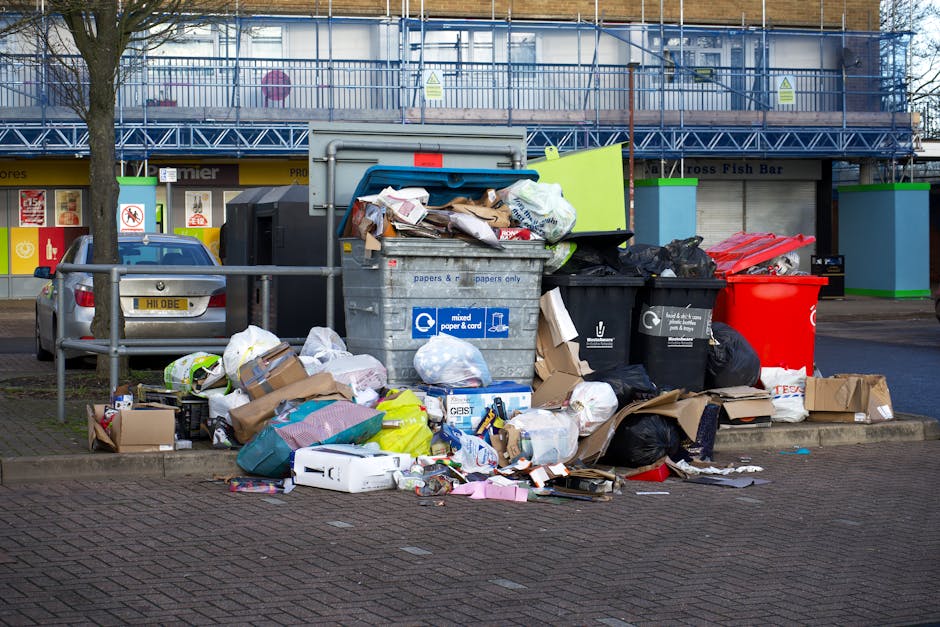
Common Mistakes to Avoid
Most problems with restricted access rubbish collection come from assumptions. The property owner assumes the team will know the layout. The team assumes the access will be "fine." Nobody asks the obvious questions. Then, on the day, everyone is doing that awkward half-smile thing while trying to make a sofa fit around a corner it plainly will not fit around. Not ideal.
- Underestimating access constraints: A narrow hallway or awkward stairwell can change the whole plan.
- Forgetting parking limits: If a vehicle cannot stop nearby, the job may take longer than expected.
- Mixing too many waste types: Bulky waste, food waste, builders' rubble, and green waste often need different handling.
- Not mentioning shared access rules: Building managers and neighbours can affect timing and route choices.
- Leaving items scattered: A single grouped stack is much easier to remove than a trail of items across several rooms.
- Booking too late: If the property has a tight access window, leaving the job to the last minute is asking for stress.
Another mistake is focusing only on price. Cheap can be fine, but if the quote ignores access complexity, the final job can become messy. A clearer quote is usually better than a vague bargain. If you want to avoid the common trap of hidden extras, it is worth reading how to avoid hidden rubbish removal charges in Ilford.
Tools, Resources and Recommendations
You do not need specialist equipment to prepare for a restricted access collection, but a few simple tools can make a real difference.
- Phone camera: Use it to photograph access points, bulky items, and any obstacles.
- Tape measure: Handy for checking doorways, stair turns, and lift dimensions.
- Clipboard or notes app: Keep a quick access summary in one place.
- Labels or marker tape: Good for separating what stays and what goes.
- Gloves and basic cleaning supplies: Useful if you are sorting through dusty lofts, cupboards, or old storage rooms.
For sustainability-minded readers, waste separation is worth a mention too. If materials can be sorted early, it is easier to keep recyclables distinct from general rubbish. That aligns well with the broader approach explained on recycling and sustainability. It is not about being perfect. It is about being sensible and reducing avoidable waste where you can.
Here is a small recommendation from day-to-day experience: write down access details as though you are briefing someone who has never seen the site. Because, to be fair, that is often exactly what you are doing. The clearer the brief, the fewer crossed wires.
Law, Compliance, Standards, or Best Practice
Waste removal in the UK has to be handled responsibly, and that matters even more where access is restricted and there are shared or sensitive spaces involved. While the exact obligations can vary by property type and waste stream, the general best practice is straightforward: waste should be managed safely, transported properly, and disposed of through appropriate channels.
For residents and businesses, that means you should be careful about who collects your rubbish, how it is handled, and whether the service is transparent about what happens next. Good providers should also work in line with safety expectations, especially when lifting heavy items, moving loads through stairwells, or operating in public-facing buildings. If a team is squeezing bulky waste through tight access, the risk of knocks, slips, and trip hazards rises fast if they are not careful.
In practical terms, good compliance is visible in simple things: tidy work, sensible planning, clear communication, proper handling, and no dumping of uncertain material in a rush. If you are comparing providers, it can help to look at pages such as insurance and safety, payment and security, and terms and conditions so you know what to expect before anything starts.
On shared estates or in managed buildings, a little extra courtesy also goes a long way. Noise, dust, corridor obstruction, and timing all matter. The best practice is not complicated. It is just careful. And careful is underrated, if we are honest.
Options, Methods, or Comparison Table
Restricted access collections can be handled in a few different ways depending on the site. The right option depends on the layout, the volume of waste, and how quickly it needs to be removed.
| Method | Best for | Strengths | Trade-offs |
|---|---|---|---|
| Two-person or small crew carry-out | Flats, narrow stairways, modest loads | Flexible, careful, easier in tight spaces | Slower for large volumes |
| Planned bulk load removal | House clearances, mixed bulky waste | Efficient when access is reasonably controlled | Needs good preparation and clear routes |
| Staged removal over multiple trips | Very tight access or heavy items | Reduces pressure on corridors and lifts | Can take longer and may need more coordination |
| Specialist site-based collection | Commercial premises, estate blocks, awkward loading points | Good for managed buildings and recurring waste | Requires clearer scheduling and access control |
In Ilford, a small crew with a well-mapped route is often the sweet spot for residential restricted access. For commercial spaces, the best method may be more structured because loading bays, access times, and building rules tend to matter more. And for builders' waste, the chosen method often depends on whether the rubbish is light, heavy, mixed, or dust-prone. No surprise there, really.
Case Study or Real-World Example
A typical example would be a second-floor flat in a busy Ilford street where the resident needs old furniture, bagged clutter, and a broken desk removed before a tenancy handover. The stairwell is narrow, the front entrance opens onto a tight pavement, and parking is limited to a short loading window.
Instead of treating it like a standard collection, the job is planned around the route. The resident sends photos of the stairwell and the items. The collection team confirms the pieces that will need two-person handling. Access is booked for a quieter time of day, when the building traffic is lighter. The waste is grouped near the exit point in advance, and the team moves it carefully in stages. No wall scuffs, no hold-ups, no dramas.
That kind of job often looks simple when it is finished. That is usually the sign it was planned properly. You barely notice the collection happened, which is exactly what people want in a shared building. If you live in a development where communal waste can be a recurring issue, the guide to communal rubbish collection on Loxford Estate is a useful local example of how shared-access situations can be handled with less friction.
Another local scenario comes up after events or busy weekends. Properties near party venues can end up with extra bags, broken packaging, and bulky leftovers that need clearing fast. If that sounds familiar, the article on party venues in Ilford shows how event-heavy areas can create the sort of post-event rubbish pile-up that calls for a quick, careful collection. Happens more than you'd think.
Practical Checklist
Use this quick checklist before booking a restricted access collection:
- List every item to be removed.
- Note stairs, lifts, tight corners, or rear access issues.
- Measure doorways or critical pinch points if the item is bulky.
- Take photos of the route and the waste.
- Confirm parking restrictions and loading access.
- Tell the team about shared entrances, concierge rules, or access codes.
- Separate items that are staying from items going.
- Group waste together where it is safe to do so.
- Check whether the job includes household, office, garden, or builders' waste.
- Ask about recycling and how mixed loads are handled.
- Make sure the collection time works for neighbours or building management.
- Have payment and booking details ready before the day.
If you are clearing outdoor material too, it can be useful to look at garden waste removal in Ilford as a related service, especially when access to the back of a property is awkward and you are dealing with green waste as well as bulky items.
Conclusion
Restricted access rubbish collection is not about making a difficult job sound fancy. It is about solving a real problem properly. If your property has narrow corridors, tricky stairs, limited parking, or shared entrances, a standard approach is often not enough. The smarter move is to plan the route, match the crew to the site, and keep communication clear from the start.
Done well, these collections are calm, efficient, and surprisingly straightforward. Done badly, they turn into delays, damage risk, and unnecessary stress. So the best advice is simple: describe the access honestly, prepare the route, and choose a service that understands awkward sites rather than just tolerating them.
Get a free quote today and see how much you can save.
And if you are weighing up who to trust with the job, it is worth learning a little more about the people behind the service too. The about us page can help with that. Sometimes the reassurance is in the details, not the sales pitch. Truth be told, that is usually where the good decisions start.
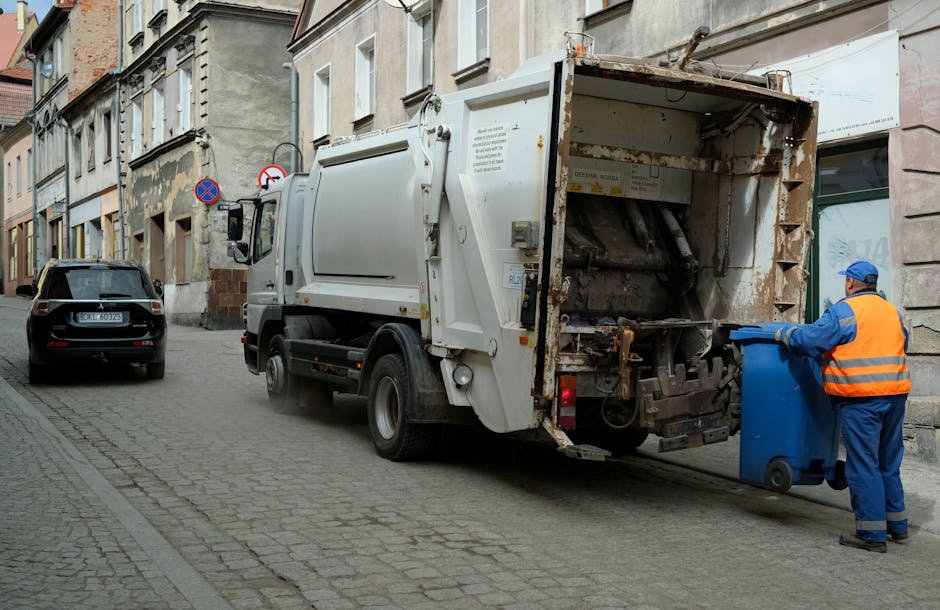
 Tipper Van - Rubbish Disposal and Rubbish Removal Prices in Ilford, IG1
 Luton Van - Household Waѕte & Green Waѕte Removal Prices